Best Countries to Visit in September: Italy, Greece, Japan, Vietnam & Dubai
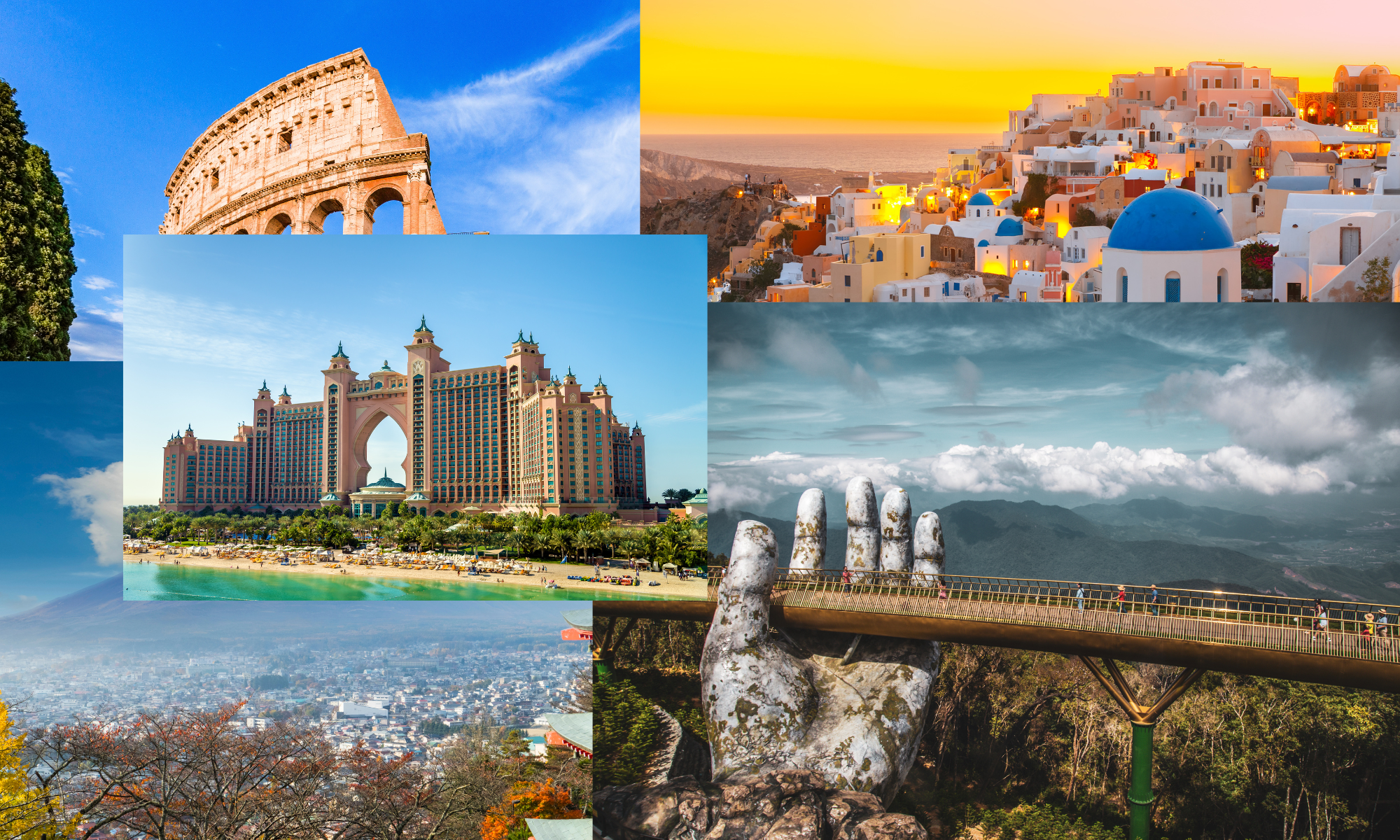
September is the perfect month for travel lovers. As summer fades into autumn in the Northern Hemisphere, crowds thin, temperatures become comfortable, and you can experience each destination at its authentic best. If you’re wondering where to head for your next adventure, these five countries—Italy, Greece, Japan, Vietnam, and Dubai—offer unforgettable experiences this September.
1. Italy
Why Visit in September?
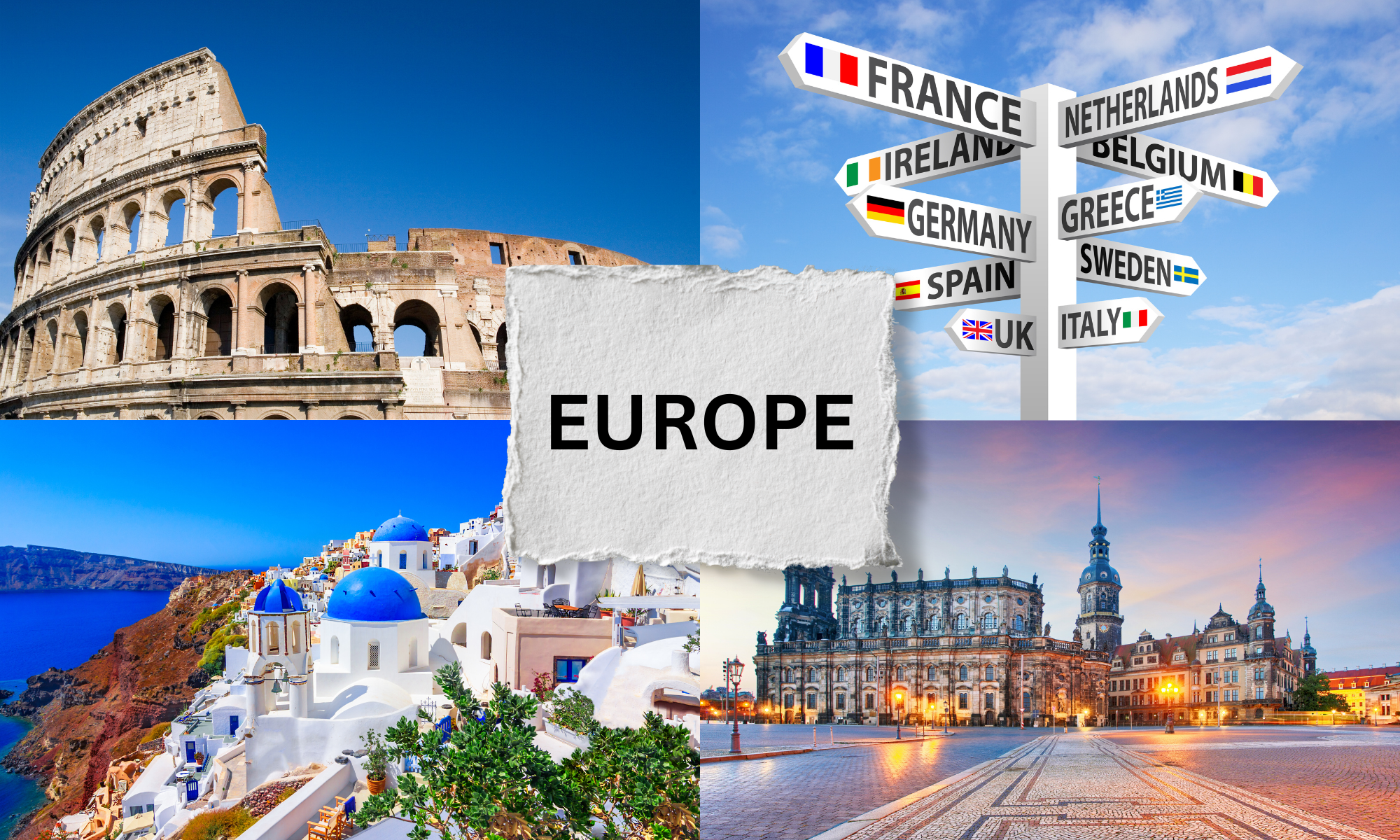
September in Italy blends the last of the summer warmth with the arrival of harvest season, making it a magical time to visit. Vineyards are alive with activity, the beaches are less crowded, and picturesque cities like Florence, Rome, and Venice exude a relaxed charm.
Highlights:
- Wine festivals in Tuscany and Piedmont
- Fewer tourists at iconic sites such as the Colosseum and Uffizi Gallery
- Pleasant weather on the Amalfi Coast and in Sicily
- Harvest celebrations and local food fairs
2. Greece
Why Visit in September?
Greece shines in September, when the Aegean waters are still invitingly warm and island life is vibrant. The summer rush has calmed, allowing you to explore places like Santorini, Mykonos, and Crete at your own pace.
Highlights:
- Swimming and sunbathing on quieter beaches
- Exploring ancient ruins without the crowds
- Enjoying festivals and fresh, seasonal Greek cuisine
- Perfect temperatures for hiking and sailing between islands
3. Japan
Why Visit in September?
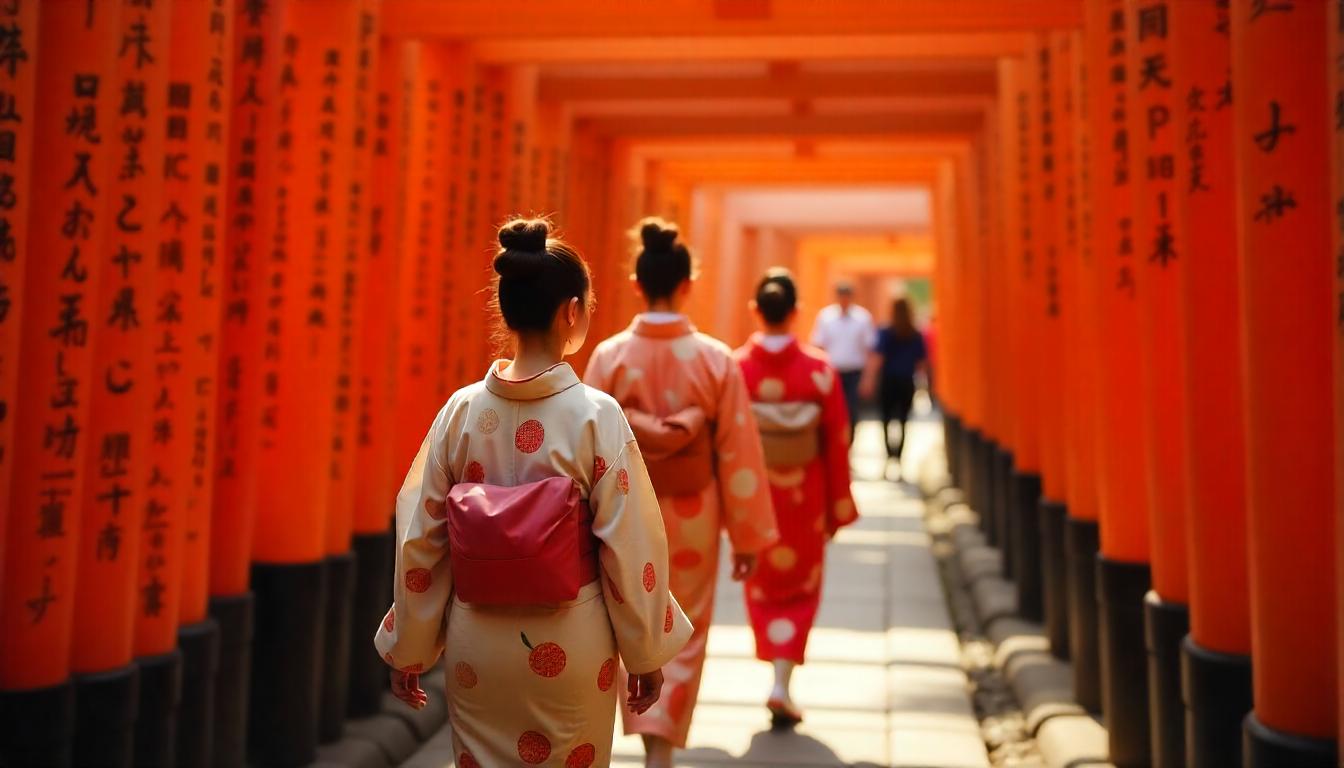
Japan in September marks the beginning of autumn, bringing mild temperatures and the first hints of fall foliage in the north. Cities like Kyoto start to reveal their beautiful colors, and the countryside is alive with traditional festivals.
Highlights:
- Celebrating Tsukimi (moon viewing) festivals
- Early autumn foliage in Hokkaido
- Fresh seafood and harvest foods
- Exploring Tokyo’s vibrant neighborhoods with fewer tourists
4. Vietnam
Why Visit in September?
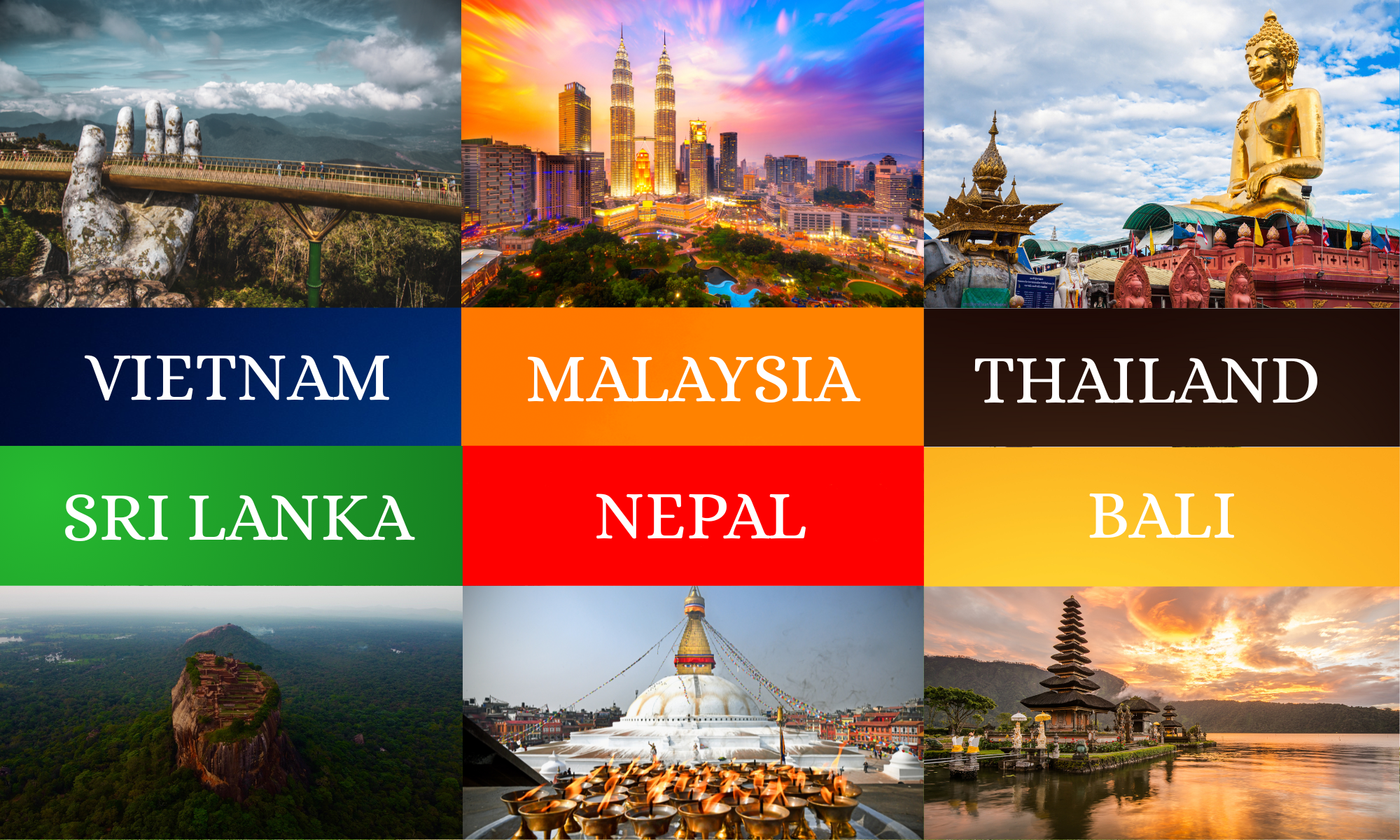
Vietnam’s diverse climate makes September a hidden gem, especially in the north and central regions. It’s harvest time in Sapa, giving you a view of golden terraced rice fields, while cities like Hoi An and Hue enjoy pleasant, less rainy days.
Highlights:
- Trekking among stunning rice terraces in Sapa
- Exploring vibrant street markets in Hanoi
- Lantern Festival in Hoi An
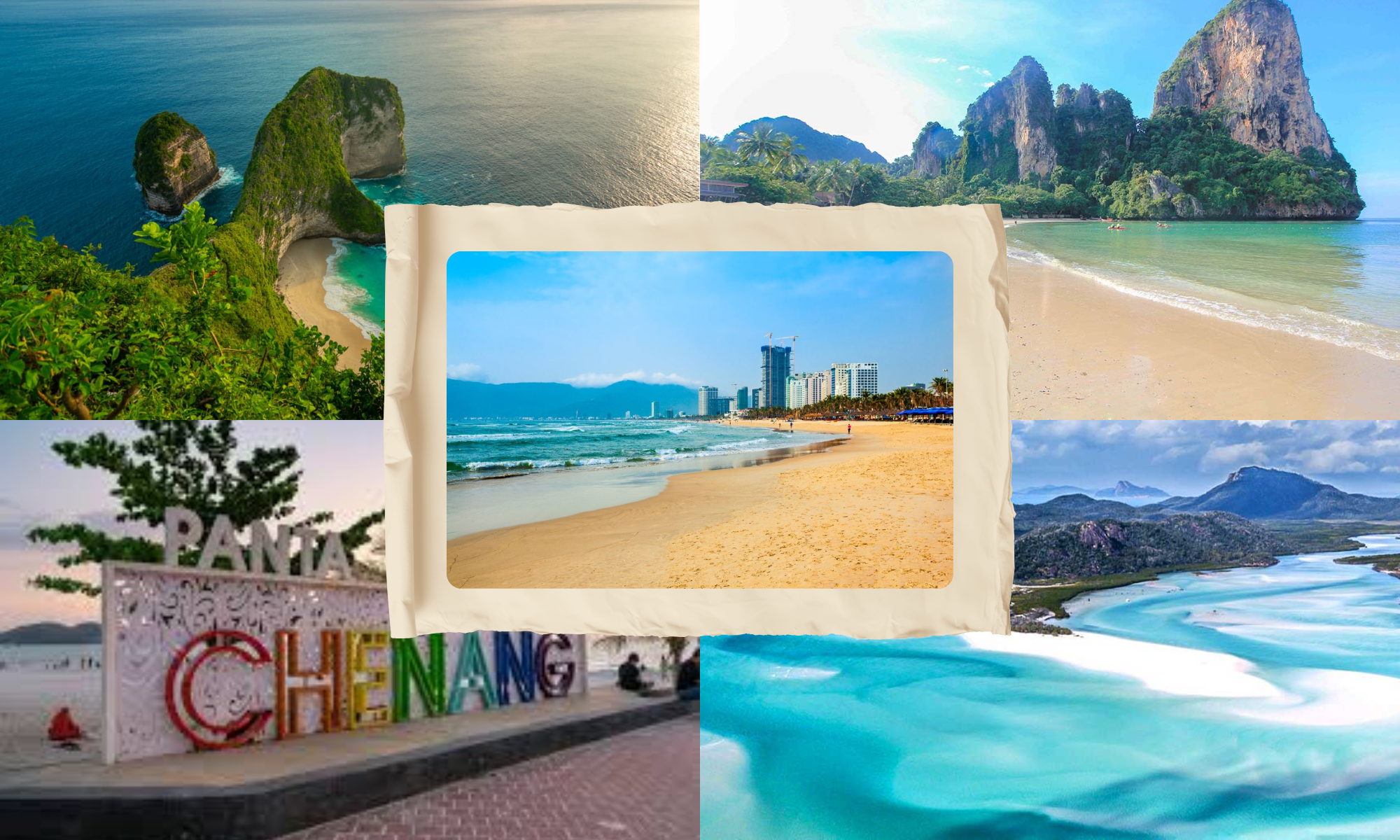
- Visiting UNESCO sites and beautiful beaches in Da Nang
5. Dubai
Why Visit in September?
Dubai in September starts shaking off the peak summer heat. Outdoor activities resume and the city’s luxury offerings, shopping, and futuristic attractions are at your fingertips, with special deals often available before the high season truly kicks off.
Highlights:
- Desert safaris and camel rides
- Shopping at world-class malls
- Exploring new museums and attractions (like the Museum of the Future)
- Beachside relaxation along the Persian Gulf
FAQs
1. Is September considered off-peak travel season?
Yes, in most destinations September is shoulder or off-peak, meaning fewer crowds and better deals on hotels and flights.
2. Is it necessary to book accommodations in advance?
While destinations are less crowded, it’s still wise to book in advance for popular cities and islands, especially during festivals.
3. What should I pack for these countries in September?
Light layers for Italy, Greece, and Vietnam; a rain jacket for Japan and Vietnam; summer clothes for Dubai, but also something modest for cultural sights.
4. Are there any major festivals or events in these countries?
Yes, including harvest festivals in Italy, Tsukimi in Japan, and the Lantern Festival in Hoi An, Vietnam.
5. Is September a good month for beach vacations in these countries?
Absolutely! Greece, Italy, Vietnam, and even Dubai offer wonderful beach weather.
6. What is the weather like in Dubai in September?
Still warm, but cooler than summer; perfect for both indoor and outdoor activities.
7. Are tourist attractions open as usual in these countries in September?
Yes, most attractions operate normal hours, and some offer special events.
8. Can I enjoy local cuisine and outdoor dining in September?
Definitely! September is known for fresh produce and pleasant al fresco experiences.
9. Are these destinations suitable for families and couples?
Yes, all five countries provide diverse experiences ideal for families, couples, and solo travelers.
10. Are there good flight deals for these destinations in September?
Generally, yes—September often features lower airfares compared to peak summer months.
Conclusion
September is a wonderful time to satisfy your wanderlust. Whether you’re chasing the romance of Italy and Greece, immersing yourself in Japan’s unique traditions, experiencing Vietnam’s natural beauty, or indulging in Dubai’s modern marvels, these destinations promise incredible memories. Pack your bags and get ready to explore—you’ll find fewer crowds, beautiful weather, and the perfect blend of adventure and relaxation.


 Elysium Hotel draws inspiration from ancient tales with its palatial architecture and idyllic setting by the Mediterranean Sea. Visitors enjoy opulent rooms, delectable dining, and a serene spa inspired by Greco-Roman traditions. The proximity to UNESCO World Heritage sites and classic Cypriot hospitality make this hotel especially memorable.
 Ikos Oceania in Halkidiki takes the all-inclusive concept to the next level. With panoramic sea views, thoughtfully curated menus by Michelin-starred chefs, and a variety of activities for all ages, this hotel ensures every guest feels pampered. Its lush gardens and private beach provide the perfect backdrop for relaxation.
 Set in the heart of Puerto del Carmen, Hotel Fariones is an iconic beachfront property recently renovated for today’s discerning traveler. Modern suites overlook tropical gardens and the Atlantic Ocean, while exclusive restaurants and leisure facilities make this a top choice in the Canary Islands.
 Located in the Golden Triangle of Paris, Hôtel Grand Powers is celebrated for its classic Haussmannian facade and sophisticated interiors. Expect personalized service, a relaxing spa, and rooms with iconic views of the Eiffel Tower—perfect for experiencing the romance and glamour of Paris.
 Perched above the charming Swiss village of Gstaad, this famed palace delivers storybook Alpine luxury. From its turreted towers and grand interiors to its renowned restaurants and vibrant nightlife, Gstaad Palace sets the standard for Swiss hospitality. Don’t miss the stunning mountain views and rejuvenating spa.